Revenue does not end when a deal closes.
For many businesses, that is when risk quietly begins.
Once a customer moves from sales to delivery or support, visibility often drops. Data lives in different systems. Signals go unnoticed. Problems surface only when renewal conversations become difficult, or churn has already happened.
This article focuses on an outcome business owners care deeply about, even if it is not always visible in dashboards:
Clear, shared visibility into the customer experience after the sale so retention, expansion, and trust are not left to chance.
This article expands on Chapter 8 of “Driving Business Outcomes with HubSpot: The Business Owner’s Guide to Unlocking the Power of HubSpot”, which demonstrates how connecting service data to revenue conversations fosters stronger customer relationships and more predictable growth.
The Outcome Business Owners Actually Want
Business owners want:
- Early visibility into customer issues and risk
- Fewer surprises at renewal time
- Stronger alignment between sales, service, and leadership
- A clear understanding of customer health, not just closed revenue
When post-sale visibility is weak, retention becomes reactive instead of proactive.
Why Customer Experience Breaks Down After the Sale
Most breakdowns are not caused by bad intent or poor service.
They happen because systems are disconnected.
Common symptoms include:
- Service data living outside the CRM system
- Sales teams are unaware of customer issues
- Leadership learning about risk too late
- Feedback collected but not operationalized
- No clear ownership of customer health
When customer experience data is isolated, teams cannot act early, even when they want to.
HubSpot Features That Support Post-Sale Visibility
HubSpot provides the foundation for connecting service insights to revenue conversations when implemented intentionally.
- Tickets and Service Pipeline
Tickets capture customer issues, requests, and trends.
Service pipelines provide visibility into volume, resolution time, and root causes.
When tied back to companies and deals, service data becomes a leading indicator of retention risk. - SLAs
Service Level Agreements (SLAs) define expectations and enforce accountability. They help teams measure responsiveness and consistency rather than relying on anecdotes. - Customer Feedback Tools
Surveys and feedback tools capture sentiment directly from customers. When connected to CRM records, feedback becomes actionable, not just informative.
These features work best when service data is treated as revenue data, not operational noise.
Common Pitfalls That Undermine Customer Experience Visibility
Even teams using HubSpot Service Hub often struggle due to avoidable mistakes.
- Service Data Living in Isolation
When tickets and feedback are not visible to sales and leadership, valuable insights are lost. - Reacting to Churn Instead of Predicting Risk
Without trends and early signals, teams only respond after damage is done. - Feedback Collected but Not Used
Surveys without ownership or follow-up erode trust with customers. - Unclear Ownership of Customer Health
When everyone owns customer experience, no one truly does.
These issues rarely show up in reports. They show up in churn and missed expansion opportunities.
Best Practices for Connecting Experience to Revenue
High-performing organizations treat post-sale data as a strategic asset.
- Connect Service Insights to Revenue Conversations
Customer issues, trends, and feedback should inform discussions on renewal and expansion. - Track Trends, Not Just Tickets
Volume matters less than patterns. Root causes reveal where experience is breaking down. - Define and Enforce SLAs
Clear expectations improve consistency and accountability. - Share Customer Insights Across Teams Monthly
Regular cross-functional reviews keep experience visible and prioritized.
When these practices are in place, customer experience becomes measurable and manageable.
Why This Matters More Than Ever
According to PwC, 52% of consumers stopped buying from a brand because of a bad experience.
Retention is not just about service quality. It is about visibility, responsiveness, and trust.
From Reactive Support to Proactive Retention
When post-sale visibility is strong:
- Risks surface earlier
- Customer conversations improve
- Renewals become smoother
- Expansion opportunities increase
When it is not:
- Teams are surprised by churn
- Customers feel unheard
- Sales and service operate in silos
- Growth becomes fragile
HubSpot provides the shared system. Leadership discipline turns insight into action.

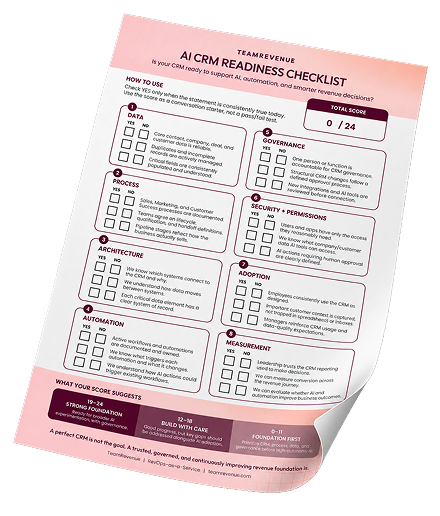
IS YOUR CRM READY FOR AI?
Make sure your CRM foundation is ready. Use the free checklist to uncover gaps before you automate.

Final Thought: Customer Experience Is a Revenue Strategy
Customer experience does not belong to one team.
It belongs to the business.
When HubSpot connects service data, feedback, and revenue context, leaders gain the clarity they need to protect and grow existing relationships.
Want the Full Guide?
This article expands on one chapter from Driving Business Outcomes with HubSpot, a practical guide designed to help business owners connect customer experience to long-term revenue outcomes.
The e-book walks through:
- How to maintain visibility after the sale
- Common mistakes that hide customer risk
- Best practices for improving retention and expansion
If retention, renewals, or customer experience feel harder than they should, the complete guide will help you turn HubSpot into a system that supports customers long after the deal closes.
Download the complete e-book to continue building clarity, alignment, and sustainable revenue growth.